Home > Tax Blog


TAX ATTORNEY'S BLOG


WEBEL LAW, PLLC
535 Fifth Avenue, Floor 4
New York, New York 10017
(646) 373-1055


ABOUT THIS BLOG

This blog introduces tax issues, news, information, and entertainment while advertising this law firm's legal services.

As with the accompanying website, legal advice is neither intended nor given in this blog.

You should seek the advice of an attorney to discuss how the law may be applied to your unique legal situation.


TYPES OF TAXES



June 1, 2023

All taxes can be categorized into one of three types based on what's being taxed and on what causes the tax to become due. Those three categories are split into twelve different...READ MORE


TAXPAYER BILL OF RIGHTS


Bill of Rights for Taxpayers


May 1, 2023

The Internal Revenue Service (IRS) adopted the Taxpayer Bill of Rights which pulls ten fundamental Rights from the Tax Code. The ten Rights together help make important code provisions transparent and understandable...READ MORE


OVER $10,000 IN A FOREIGN ACCOUNT?


Reporting Foreign Income to the IRS


March 1, 2023

U.S. taxpayers with more than $10,000 in a non-United States ...READ MORE


IT'S IRS SCAM SEASON!


Avoiding IRS Scams


January 1, 2023

The first four months of the year is when most of us prepare our taxes for filing with the IRS, and scammers know it. If you receive a phone call or email claiming to be from the IRS, it’s a scam! Don’t fall for it. Scammers trick people into giving personal information that can be used to...READ MORE


UNPAID EMPLOYMENT OR INCOME TAX WITHHOLDINGS?



Withholding Requirements for Employment and Income Taxes


December 1, 2022

Employers are required by federal law...READ MORE


GIVE ME YOUR IDENTITY!


Advise for Identity Theft Victims


November 1, 2022

You may not know you're a victim of identity theft until you're notified by the IRS of a possible issue with your return.

If you, without any action on your part, unexpectedly receive letters with any of the following notices from the IRS...READ MORE


VICTIM OF IDENTITY THEFT?


Advise for Identity Theft Victims


October 1, 2022

If you're the victim of identity theft, do the following...READ MORE


IRS FUNDING


IRS Funding


September 1, 2022

The IRS is receiving $80 billion (that's "billion" with a "b") to fund...READ MORE


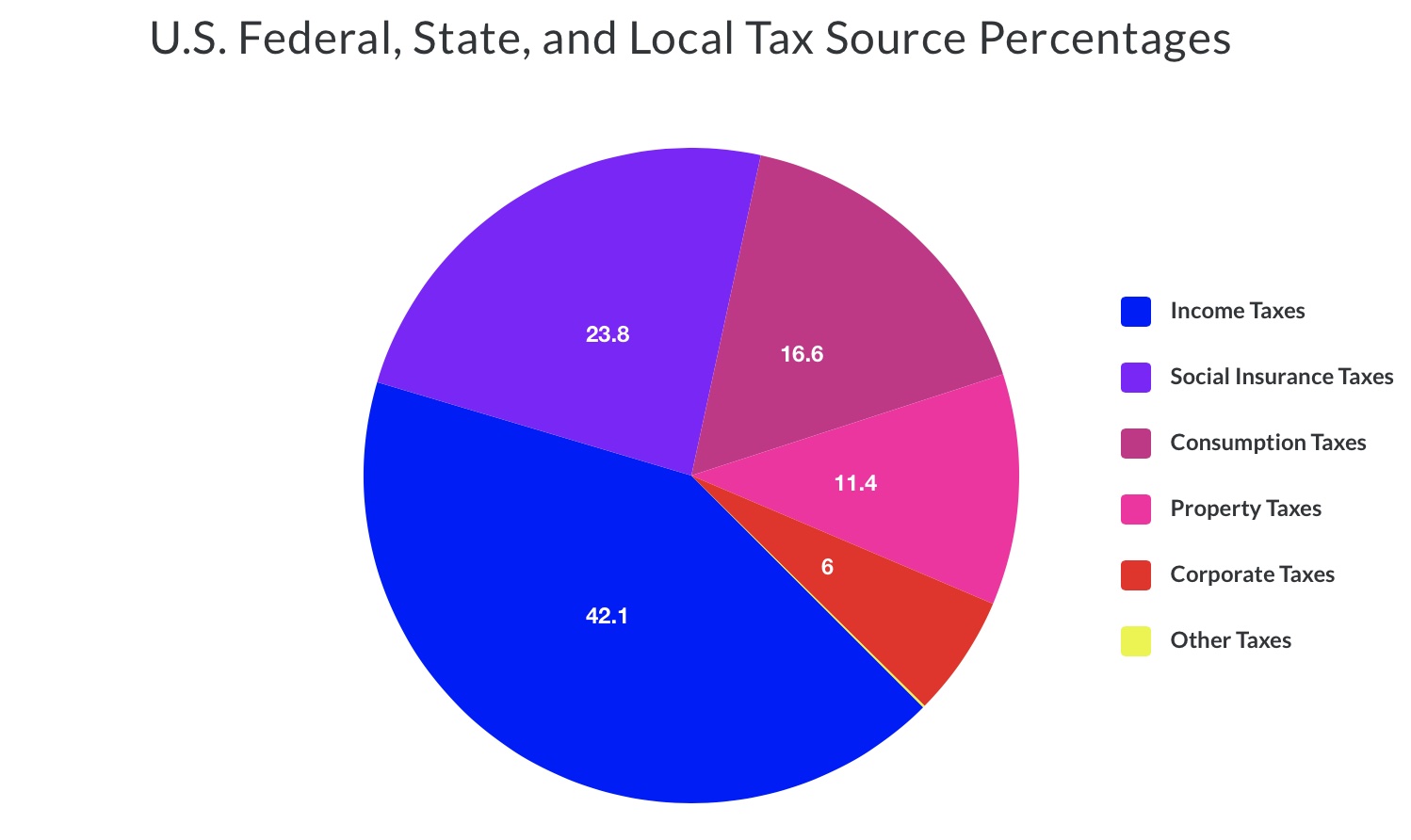
TAX COMPARISONS (2021)
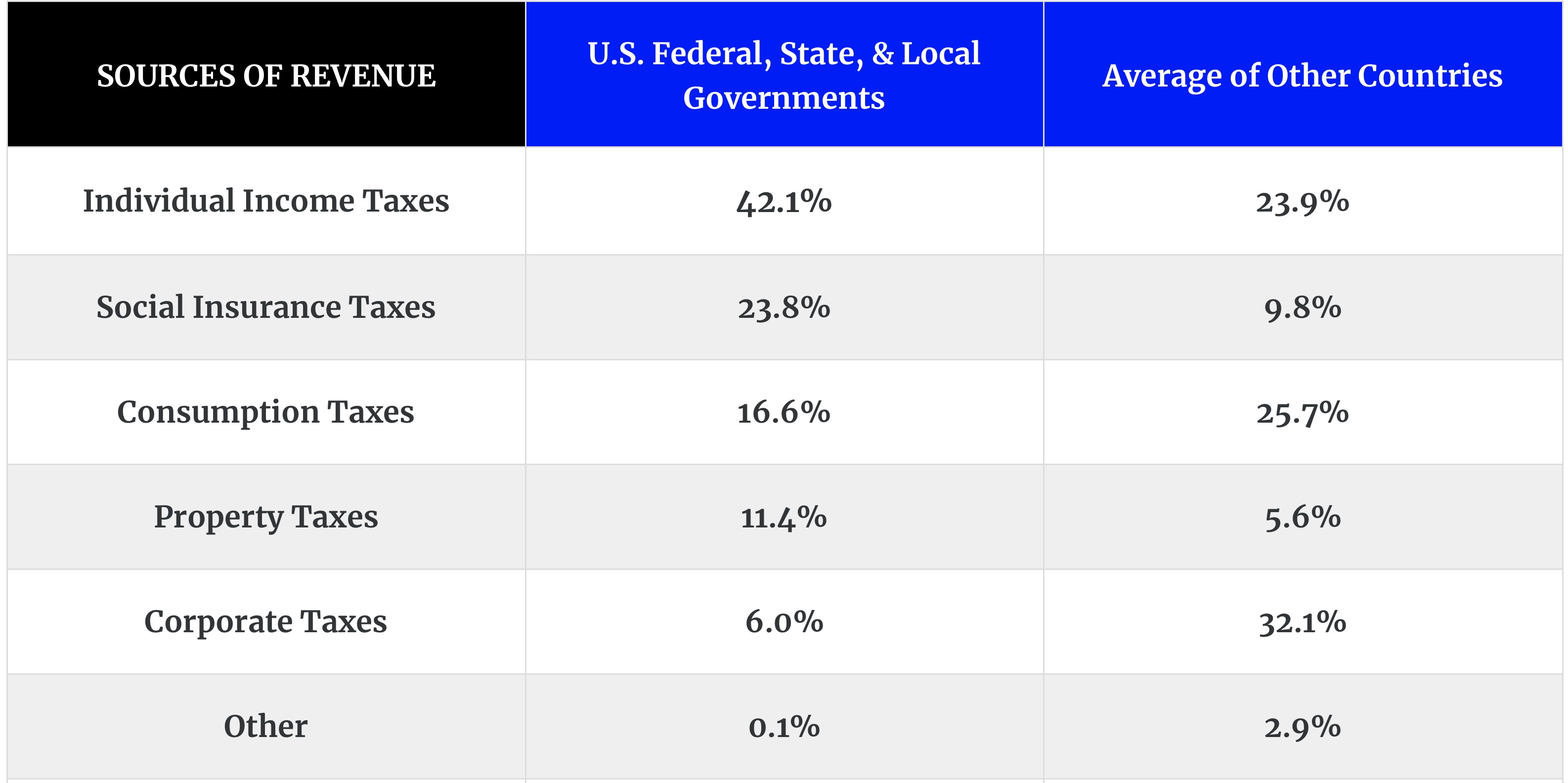

Chart of Tax Revenue Sources


FEDERAL INDIVIDUAL INCOME TAX RATES (2022)
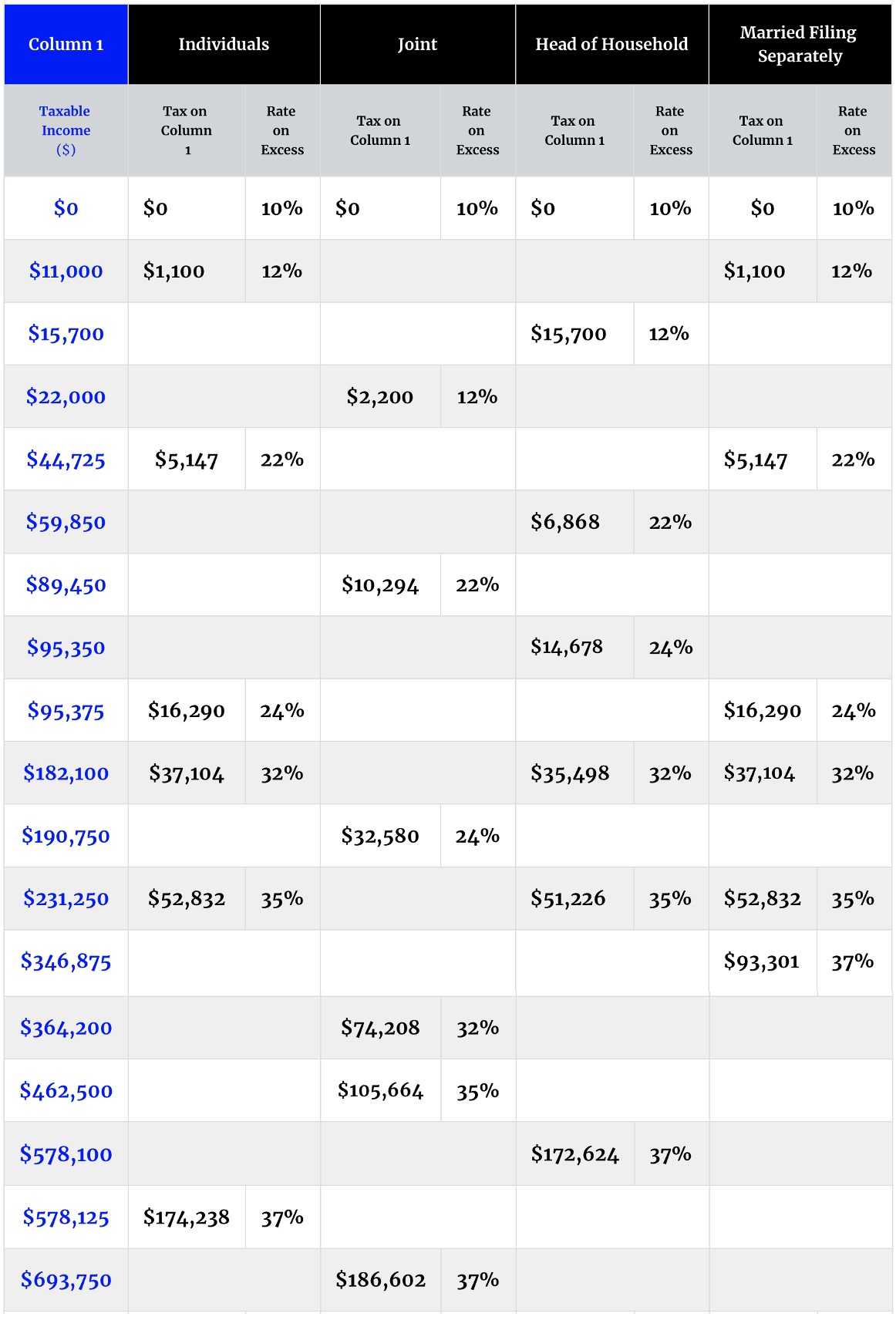

Chart of State Income Tax Rates


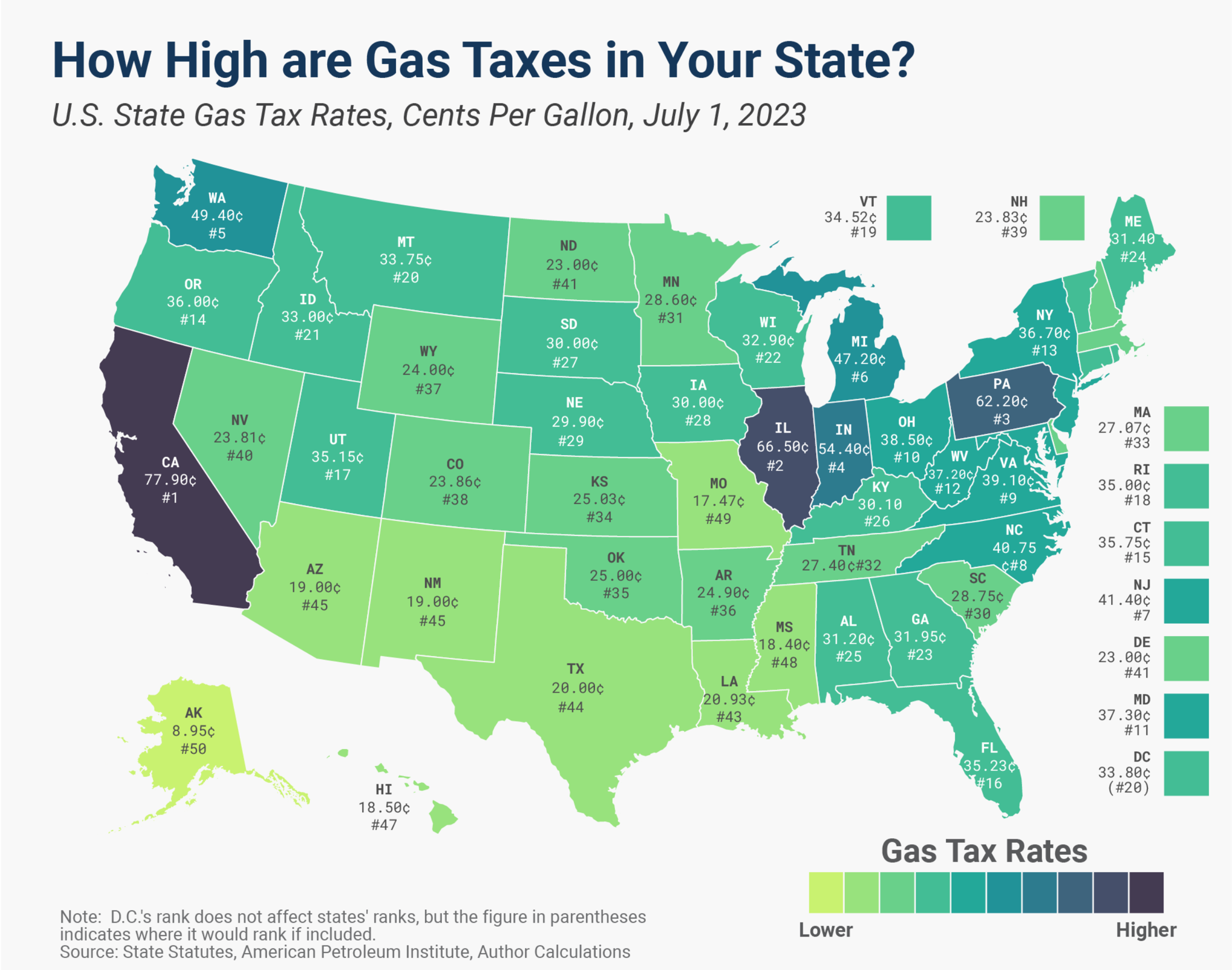
STATE GAS TAXES (July 1, 2023)


Map of State Gas Taxes


Looking for low gas tax rates? Move to Alaska (#50), where the gas tax is only nine cents per gallon (CPG).

Want to avoid high gas tax rates? Stay away from California (#1), where the gas tax rate is 77.9 cents per gallon. Illinois (66.5 CPG) and Pennsylvania (62.2 CPG) are #2 and #3 for the highest gas tax, respectively. At 41.4 and 36.7 cents per gallon, respectively, New Jersey. (#7) and New York (#13) are higher-taxed states. Connecticut (#15) closely follows at 35.75 CPG.

At least theoretically, money collected from gas taxes is used to build and maintain states' transportation infrastructure. Proponents of the gas taxes argue that those who use the roads the most pay the most, which takes the financial burden of the transportation infrastructure Off the people who don't own cars or drive very little. Furthermore, it's argued that high gas taxes encourage the use of public transportation, which decreases the traffic on roads and is better for the environment.

Want to avoid gas taxes completely? Go electric! Electric vehicles (EVs) have a "loophole" as they get unlimited roadway use without paying one penny toward roadway maintenance! Although there are many tax advantages to buying an electric vehicle, avoiding paying for the tax that supports the transportation infrastructure may not be a long-term "loophole" as all 50 states are currently looking at a tax structure based on the vehicle miles traveled (VMT). Such a tax EVs as much as gas vehicles. We'll have to wait to see if this policy gets traction in our state.
Sources: State Statutes, American Petroleum Institute, Tax Foundation