Will Attorney in Midtown New York City on Fifth Avenue


WEBEL LAW, PLLC
535 Fifth Avenue, Floor 4
New York, New York 10017
(646) 373-1055


WILLS & TRUSTS


Will Lawyer in Midtown New York City on Fifth Avenue


WILLS VS. TESTAMENT

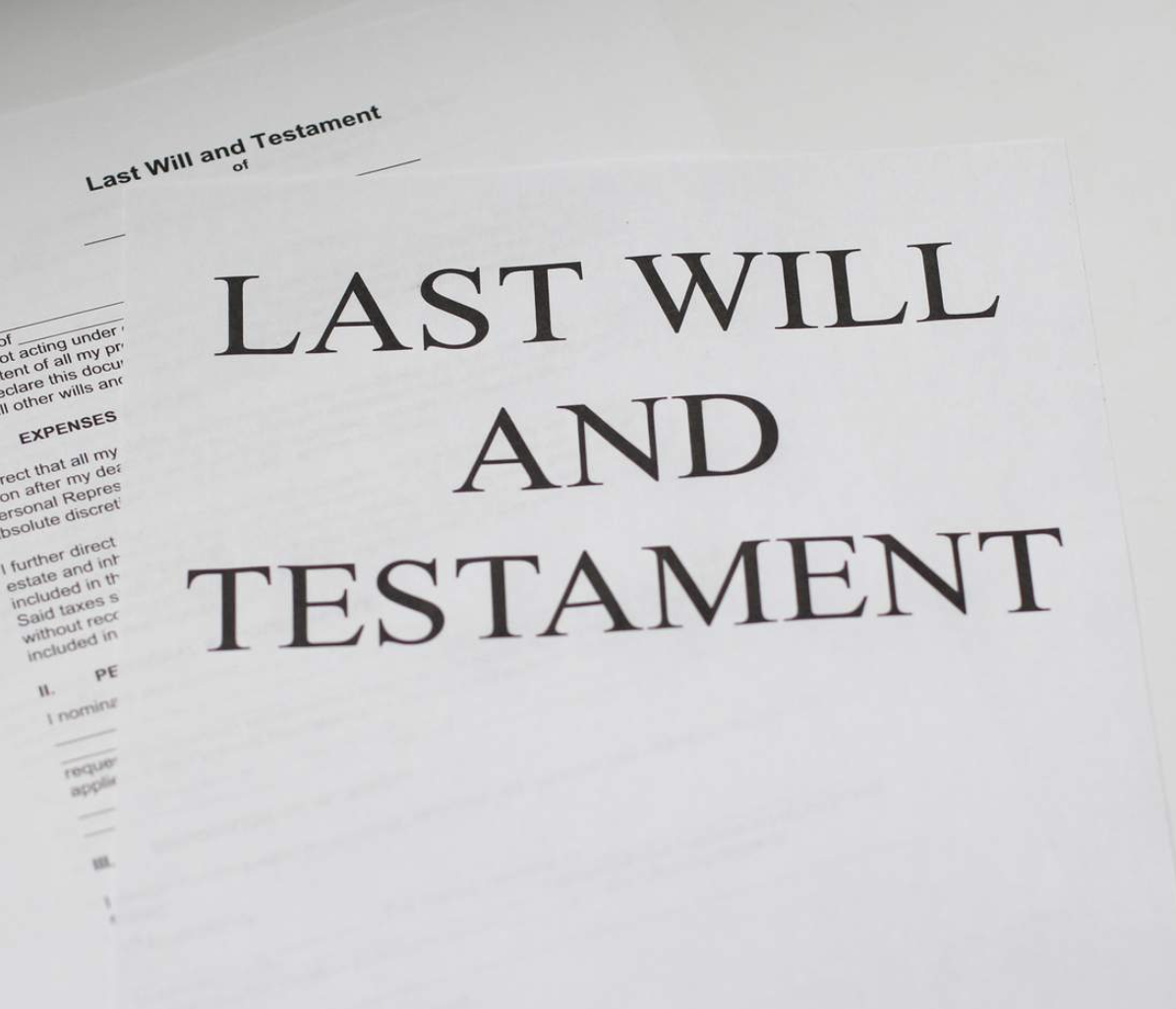
Historically in old English law, Wills disposed of real property, whereas Testaments disposed of personal property. Thus, when titling documents, attorneys who desired to maximize clarity (or who were paid by the word) combined the terms as Last Will and Testament. Although that term is still widely used as a title today, the term Will alone refers to a document that legally disposes of both real and personal property upon a person's death.


WILLS & TRUSTS


Wills and Trusts are both estate planning instruments that can be used together or individually, but they have different purposes.


Wills


A Will is a legal document created by a competent person of legal age that details and directs how his or her assets are distributed and how their affairs are to be finalized upon their death. If a person doesn’t have a Will, the laws of the state where he or she lives make all the decisions that a Will could have controlled.

Wills become effective upon the death of the person. Wills must go through Probate, so after the person’s death, the Will is presented to the Probate Court who confirms the validity of the Will, authorizes the Executor named in the Will, and oversees actions taken by the Executor.

The Executor is responsible for notifying interested parties, gathering assets, winding up business deals, paying final bills (including taxes), titling and distributing assets, and more.

To ensure the Decedent’s wishes, as expressed in the Will, are carried out legally and ethically, the contents of the Will and all Probate steps are public information.

Wills can also create Trusts to hold assets upon the person’s death.

Click WILLS for more details and information on Wills.


Trusts


A Trust is a fiduciary arrangement whereby a Grantor gives power to a Trustee to hold and manage assets for the benefit of a specific person, organization, or purpose.

In the terns of the Trust, the Grantor defines the actions or events which create, fund, and end a Trust. The Trust terms can also define and limit the Grantee’s fiduciary duties and rights of beneficiaries.

Upon acceptance of the assignment, the Trustee, whether paid or not, has the duty of a fiduciary for preserving, investing, and distributing funds or assets as required by the Terms of the Trust for the sole interest of the named beneficiaries or purpose.

Trusts can be created or funded by a living person or by a person’s Will, so they can be great tools for minimizing estate or inheritance taxes, funding a source of income for someone, ensuring a loved one can have a better life while continuing to receive government benefits, and many other estate planning goals.

Trusts can be used to avoid the Probate process.

Click TRUSTS for detals and information on Trusts.