WILLS VS. TESTAMENT
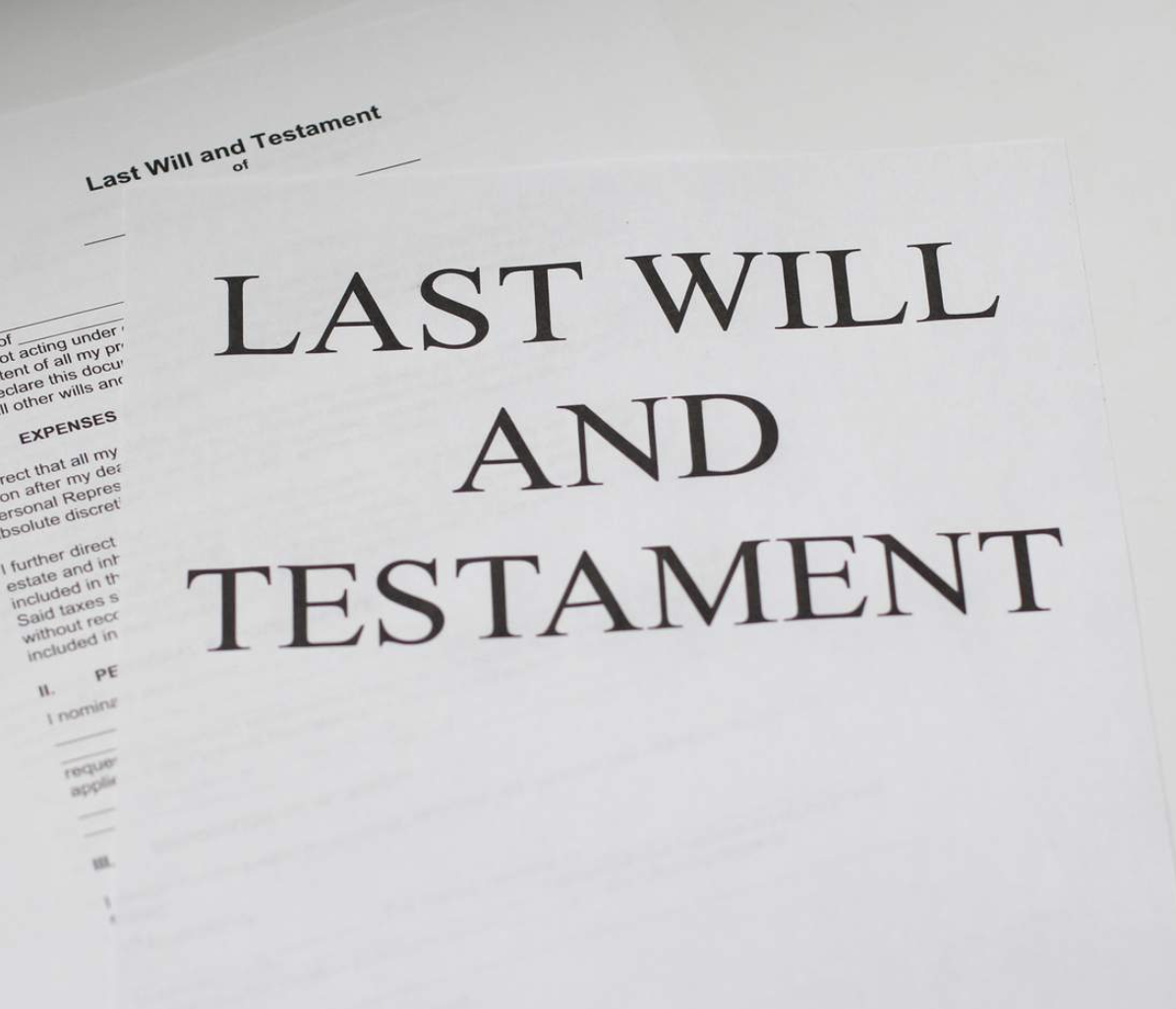
Historically in old English law, Wills disposed of real property, whereas Testaments disposed of personal property. Thus, when titling
documents, attorneys who desired to maximize clarity (or who were paid by the word) combined the terms as Last Will
and Testament. Although that term is still widely used as a title today, the term Will alone refers to a document that legally
disposes of both real and personal property upon a person's death.
LAST WILLS
Your Will is a written document where you direct who gets your property eventually upon your death. When planning for that eventuality,
Wills are the basic
and the most affordable estate planning document that controls the distribution of your
assets to your loved ones or beloved organizations. Wills created now become effective upon your death so that you can change your mind at any time and
revise and update it whenever your wishes, assets, or circumstances change.
By creating a Will, you alone decide who eventually gets each of your assets. Once an asset is transferred, that person or organization has total control over what
They do with the assets. If you want to limit their control, consider a Trust. The legal term for dying with a Will is Testate.
If you die without a Will, the state of your residence generally divides your assets between your closest relatives with no consideration for
your final wishes, goals, or dreams. The legal term for dying without a Will is Intestate. The formula used to divide your assets varies from state to
state, so determining your residence may greatly affect how your assets are distributed if you die without a Will. This is particularly important
for people who spend time in more than one state or move to a different state, even if the move is involuntary after a person loses capacity. Elder
Planning is another topic that you should consider when planning your future.
Wills are relatively inexpensive and quick to create with the help of an attorney at Webel Law. We'll explain the process and points you should consider
in making decisions.
After you die, all your assets are called your Estate. This includes all your belongings, automobiles, real estate, stock, bank accounts,
cash, jewelry, antiques, and more. Whether you die with or without a Will, your Estate must go through Probate, which is the legal proceeding that is open
to the general public for the whole world to see a list of your assets and bills where a judge approves all asset transfers after your final bills and claims
against your Estate are paid. The minimum time for an Estate to work through the Probate process is nine months, but generally it takes longer. Depending on the
complexity of an Estate, the process may take years and can become relatively expensive. If your goal is to minimize or avoid the
lengthy and costly Probate process, there are other options, such as various types of Trusts.
At Webel Law, we have years of experience helping clients create Wills and Trusts and guiding family members
through the Probate process. We are skilled at discussing decisions that you need to consider and then creating customized Wills and
Trusts that satisfies your
estate planning goals. Our job is to bring up issues you may not even realize are a concern today. We are dedicated to helping you develop a comprehensive
estate plan that addresses and solves your concerns so that your loved ones will be taken care of in the future according to your wishes.